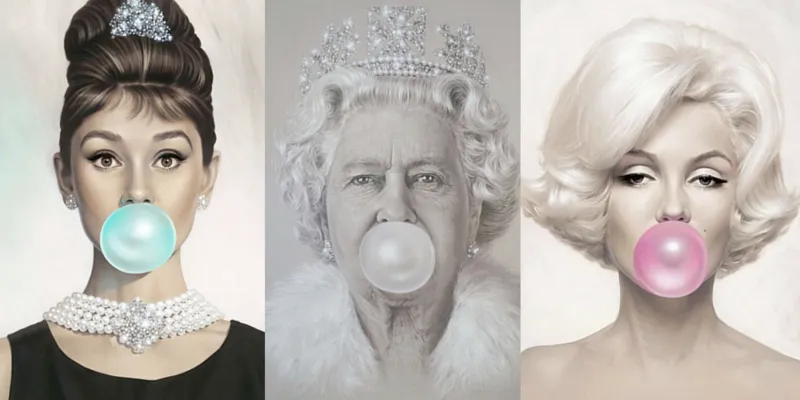
Art has always been about originality. Every brushstroke, every idea, every detail is a projection of the artist’s vision and imagination. For centuries owning a painting meant owning a piece of that vision, making it rare and unique. The very premise of owning art lies in its subjectivity to the consumer and attachment or meaning to such artifacts. But what happens when that very essence of uniqueness is stripped away? When an artwork that was meant to be one of a kind is suddenly sold throughout the world for a fraction of the cost? The institution of artistic ownership crumbles down into pieces.
To read this post, subscribe or upgrade. Already a member? Sign in
Required plan Free, Raven Member
Keep reading — full access
Subscribe to unlock this article plus the member archive.
Cancel anytime.
Membership BENEFITS
Full posts, newsletters, and everything we publish for subscribers.
- Full articles and searchable archive
- Expert insight from our editorial team
- Member-only updates and newsletters
- Early access where we offer it