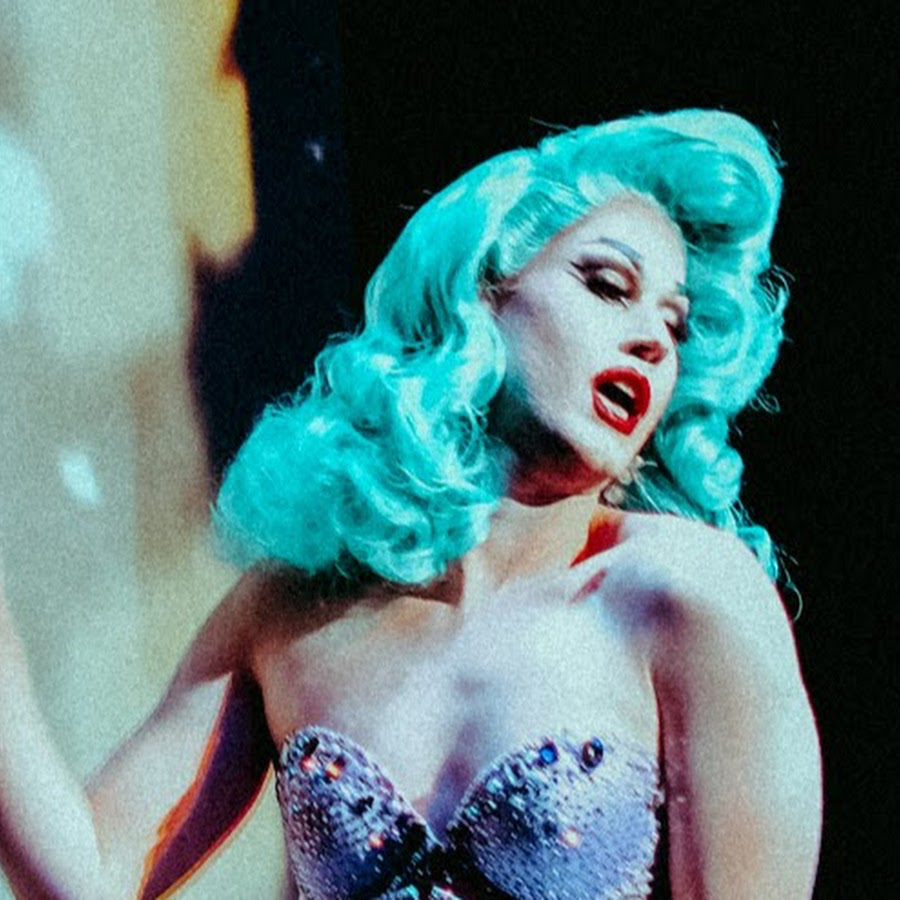
Drag queens have a notable history which includes performances in popular theatre , silent films, and underground drag balls, part of the vibrant LGBTQ subculture in the 19th and 20th centuries. They are show divas who use their creativity to attract their audience, which they have used to establish a level of openness and acceptance to the queer community. However, this was not an easy fit because the person who came before them had endured a lot of social stigma. After nearly two centuries, shows like HBO’s Pose created by Ryan Murphy, Brad Falchuk, and Steven Canals, and RuPaul’s Drag Race, the winner of 14 Emmy awards, have gone on to create multiple spin-off shows around the globe. This article delves into the history of drag culture and its intellectual property rights.
To read this post, subscribe or upgrade. Already a member? Sign in
Required plan Free, Raven Member
Keep reading — full access
Subscribe to unlock this article plus the member archive.
Cancel anytime.
Membership BENEFITS
Full posts, newsletters, and everything we publish for subscribers.
- Full articles and searchable archive
- Expert insight from our editorial team
- Member-only updates and newsletters
- Early access where we offer it